




A Warriors Mark dairy farmer remembered for his kindness, faith, and lifelong devotion to agriculture is now at the heart of a local push to raise awareness about a hidden farm hazard: deadly silo gases.
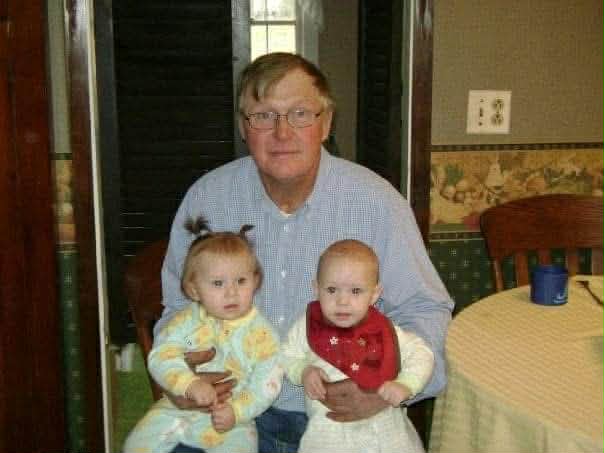
Timothy Blair Nowlin, born in December 1952, spent most of his life on the farm and in the fields of central Pennsylvania. He passed away in June 2025 of breathing complications, at least partly caused by many years of exposure to silo gas.
Silo gas can build up when silage is fermenting. These gases can make it hard to breathe, burn the lungs, and, in some cases, cause rapid suffocation and death if someone is trapped in an area with low oxygen.
There are also many long-term consequences of repeated exposure to silo gases, like those Nowlin suffered from for many years.
A 1970 graduate of Tyrone Area High School, Nowlin was a long-time dairy farmer on N&N Farms, where he was known for his work ethic, easy-going nature, and willingness to help anyone. A die-hard Kansas City Chiefs fan and county fair regular, he rarely went anywhere without bumping into someone he knew.
He also poured his energy into the wider community. Nowlin coached Little League baseball, worshiped at Warriors Mark Methodist Church, and once played catcher for the Penn State Altoona baseball team. Friends and family recall a man whose pranks, quick smile, and steady presence brought laughter and comfort to those around him.
To his wife, Vanessa, and their family, his identity always started at home.
“Tim always put God and family first,” she said. “He was easy-going, but always had pranks up his sleeve. He wanted to be friends with everyone. You could never take him somewhere where he didn’t know someone. He was a good husband, a good father, and a good grandfather.”
Nowlin began farming at a time when “just getting the job done” often meant working without the protection that is more common today.
“Back then, there was no proper protective equipment, so he never felt the need to wear a mask,” Vanessa said. “He also volunteered as a firefighter, exposing himself to smoke and fumes that added to the strain on his lungs over the years.”
Family members say that the same determination and “stubbornness” around work led him into danger: exposure to silo gases.
Silo gases are often invisible and odorless, forming inside sealed oxygen silos used for feed storage.
Professor Emeritus Dennis Murphy, from Penn State University Extension, noted that these structures can produce large amounts of carbon dioxide and nitrogen as the silage ferments, displacing oxygen in the confined space and creating a deadly atmosphere with little or no warning to anyone who enters.
Professor John Shutske of the University of Wisconsin indicates that inhaling these gases can trigger severe respiratory damage, including chemically induced pneumonia and fluid buildup in the lungs that can quickly become life-threatening without prompt medical care.
Today, many farms have safety features that reduce the need to enter a freshly filled silo. Some operations follow strict rules that keep workers out of silos for three to six weeks after filling, the period when gas levels are highest.
When entry is still necessary, safety experts stress the importance of full personal protective equipment, including a full-body suit, gloves, boots, a hard hat, and a self-contained breathing apparatus, rather than simple dust masks that do not protect against toxic gases.
Local farmer Sam Conrad Jr., of Conrad Family Farms LLC, said he grew up with an awareness of the risks and has tried to stay ahead of them.
“I was only a couple of days old, three at the most, and my dad was already taking me to the barn with him,” Conrad said. “I knew of the effects it [silo gases] can have on not only your lungs, but overall health, so I took more preventative measures to avoid the bigger health issues like shortness of breath, fevers, and, in general, sluggish feeling. We implemented blowers to redirect the gases down the chute and out to avoid as much inhalation as possible. We also wear masks when working inside a silo.”
Vanessa hopes Tim’s story will convince other farmers to take the extra time and precautions her husband did not.
“Take your precautions, and always think before you decide on doing anything dangerous,” she said. “If Tim were here, I know he would want others to be safer than he was.”
In the wake of his death, the Nowlin family has turned its grief into advocacy, speaking openly about what happened and sharing resources on farm safety.
His grandchildren have promised to carry on both his love of agriculture and his concern for the people who work in it.
“I have been passionate about this field since I was little,” said Tyrone senior and eldest granddaughter, Bailey Woomer. “I recognize agriculture as an industry that is needed, and I am so honored to have gained a piece of his wisdom as I move further in an agricultural career.”
For those who knew him, Timothy Nowlin’s life remains a testament to love of family, farming, and community.
His story now also serves as a caution about the unseen dangers in everyday agricultural work, and a reminder that protecting the people who feed their communities must be part of every farm’s routine.





Robin Brenneman • Mar 9, 2026 at 9:57 am
Great article Carlie!
Mike Fleck • Feb 27, 2026 at 3:54 pm
50 years ago I saw a fog type substance inside the silo when I had scaled the outside to enter to level off the silage to set up the unloading. As I was about to enter I thought it was sunshine that was giving an orange yellowish appearance and then realized the sun was not shining. I then remembered another dairyman, Jim Clark Sr had been hospitalized from silo gas and I thought something was wrong. I immediately went back down to find the owner of the dairy that I worked for (Dale Burns) and he knew right away what it was. The tragedy in this poison is it’s not always recognized and such as in Tim’s case, he inhaled it before he knew it was present. Working in the Ag industry most all of my, I’ve heard and knew people who were poisoned by this deadly gas and lost their lives. As Sam touched on, safety is so key and understanding the hazards, hopefully is a message that will prevent accidents and save lives.
Thomas Walther • Feb 27, 2026 at 2:56 pm
Tim was a Special Fire Police buddy. He and I were always trying to figure out which of us were the most stubborn. We went on many calls over the 17 years I was with fire police.